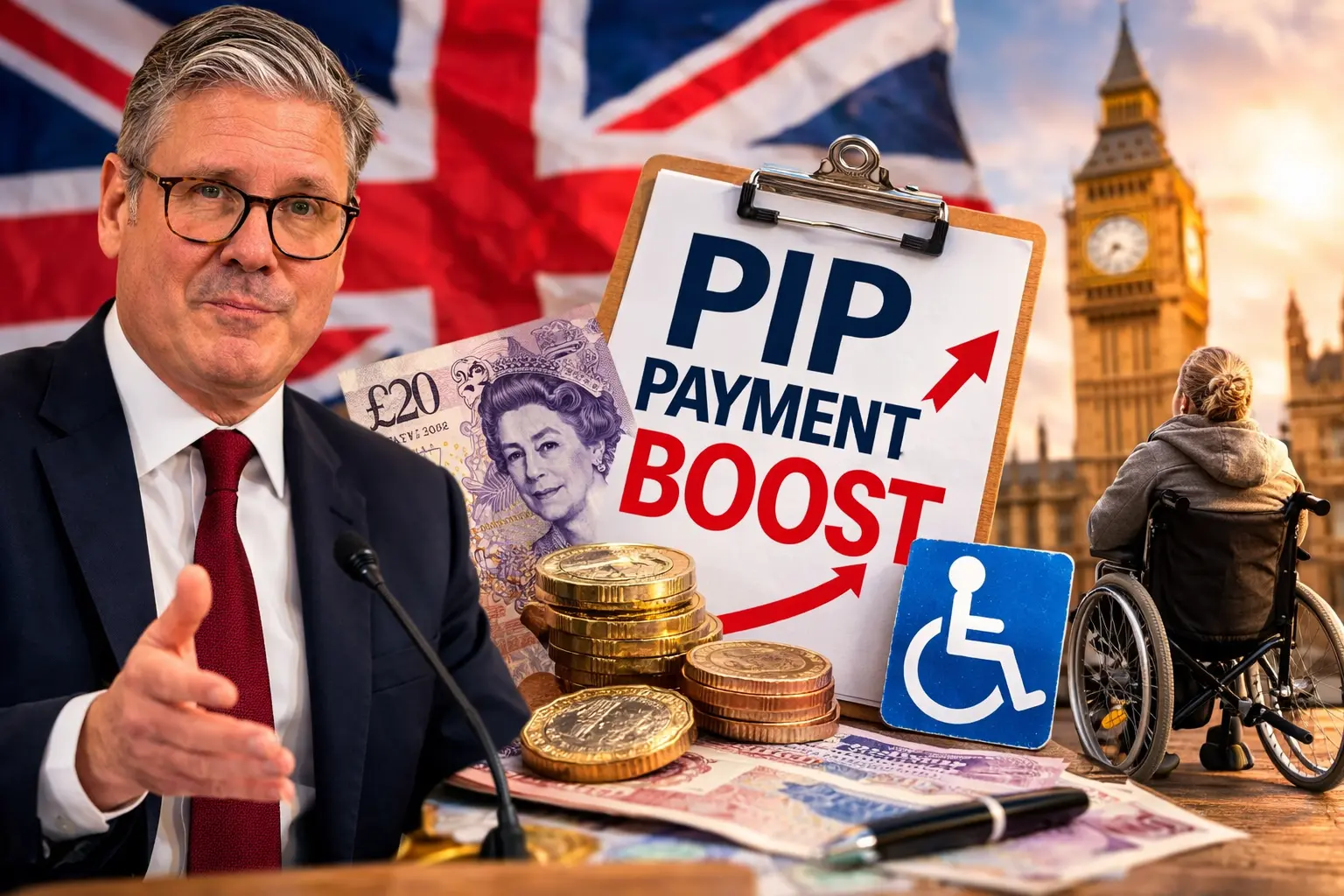
The UK’s Department for Work and Pensions (DWP) has introduced significant increases to disability benefits, providing additional financial support for millions of people across the country. As living costs continue to rise, updated payment rates for programs such as Personal Independence Payment (PIP), Employment and Support Allowance (ESA), and other disability-related benefits are beginning to roll out during March 2026.
These changes reflect inflation data from late 2025 and are designed to help ensure that support payments keep pace with rising prices. For some claimants receiving the highest levels of assistance, the maximum PIP payment now reaches about £778 every four weeks, offering meaningful relief for individuals living with long-term health conditions or disabilities.
Understanding how these updated benefits work can help claimants plan their finances more effectively and ensure they receive the support they are entitled to.
Maximum PIP Payment Reaches £778 Per Month
One of the most notable updates is the increase to Personal Independence Payment. Claimants who qualify for the enhanced rate of both components—daily living and mobility—can now receive around £778.40 every four weeks.
The updated weekly rates include:
-
Enhanced daily living component: £114.60 per week
-
Enhanced mobility component: £80.00 per week
When combined and paid every four weeks, these payments total approximately £778.
However, not every claimant receives the maximum amount. Payments depend on how many points someone scores during their DWP assessment, which measures how a disability affects daily activities and mobility.
Key points about the increase include:
-
Automatic adjustment: Current claimants will receive the higher rates automatically.
-
Assessment-based eligibility: Payments are determined by medical assessments and functional needs.
-
Greater financial support: The increase helps cover costs such as mobility aids, therapy, and home adjustments.
When Claimants Will See the Higher Payments
DWP benefit payments usually follow four-week payment cycles, meaning the exact date someone receives the increase can vary.
Although the new rates officially align with the April financial year, many claimants are beginning to see higher payments during late March 2026.
Payment timing may depend on the day someone usually receives their benefit:
-
Those paid early in the week may receive the new rate immediately.
-
Payments later in the week might show a partial increase initially, with the full amount arriving during the next cycle.
Claimants can verify updates by:
-
Checking their bank account statements
-
Reviewing their Universal Credit online journal
-
Reading their annual uprating letter from the DWP
Updated PIP Rates for 2026
Daily Living Component
The daily living portion of PIP supports people who need assistance with everyday tasks such as cooking, personal care, and managing treatments.
Updated weekly rates are:
-
Standard rate: £76.70 per week
-
Enhanced rate: £114.60 per week
These payments help cover additional expenses linked to living with a disability, including care services, assistive devices, or household support.
Mobility Component
The mobility element is designed to assist individuals who struggle with travel or movement.
Updated weekly payments include:
-
Standard mobility rate: £33.30
-
Enhanced mobility rate: £80.00
This support can be used for transportation costs, taxi fares, public transit, or programs like the Motability scheme that provides vehicles or powered mobility equipment.
ESA Payment Increases for 2026
Employment and Support Allowance (ESA) provides income support for people whose health conditions limit their ability to work.
The benefit includes two main groups:
Work-Related Activity Group (WRAG)
For claimants preparing to return to employment, ESA includes:
-
Personal allowance: £95.55 per week
-
WRAG component: £37.95 per week
Together, this equals more than £133 per week for eligible individuals aged 25 or older.
Support Group
People with more serious health conditions who are not expected to work may qualify for the ESA Support Group.
Payments now include:
-
Personal allowance: £95.55 per week
-
Support Group component: £50.35 per week
This brings total weekly payments to £145.90.
For individuals who receive both ESA and the maximum PIP rate, total monthly support can exceed £2,000.
Other Disability Benefits Also Increasing
Several related benefits have also been updated to reflect the new rates.
Disability Living Allowance (DLA) and Attendance Allowance
Payments now mirror PIP daily living rates:
-
Standard rate: £76.70 per week
-
Higher rate: £114.60 per week
Severe Disability Premium
Eligible claimants who live alone and do not have a carer may receive:
-
£86.05 per week
Carer’s Allowance
Support for carers has also increased:
-
£86.45 per week
-
Earnings limit raised to £204 per week
For claimants transitioning to Universal Credit, protections are in place to ensure people do not receive less than they previously did under ESA.
Why Benefits Are Increasing
The payment increases are based on the 3.8% Consumer Price Index (CPI) recorded in September 2025.
Under UK law, many benefits must be adjusted annually to reflect inflation. This ensures that payments maintain their purchasing power despite rising costs of essentials like energy, food, and transportation.
Claimants should receive confirmation of their updated payment amounts through:
-
DWP uprating letters
-
Universal Credit journal notifications
Important Scam Warning
The DWP has also reminded claimants to remain cautious about scams.
Officials never request bank details via text message or email. Anyone receiving suspicious messages claiming to be from the DWP should ignore them and report the attempt.
Planning Ahead With Higher Benefit Rates
The updated disability benefit rates provide welcome financial relief for many households. While debates continue about the fairness of disability assessments, the 2026 increases offer practical support during a challenging economic period.
Claimants are encouraged to:
-
Review their eligibility for additional benefits
-
Seek guidance from welfare advisers if unsure about entitlements
-
Budget carefully using the increased payments
With the new £778 maximum PIP payment and higher ESA rates now beginning to roll out, many individuals will see improved financial stability and greater support for their daily needs.
Frequently Asked Questions
What is the maximum PIP payment in 2026?
The highest possible PIP payment is about £778.40 every four weeks for people who qualify for the enhanced rates of both daily living and mobility components.
When will the new rates start?
Payments are being rolled out from late March 2026, depending on each claimant’s four-week payment cycle.
How much is ESA Support Group in 2026?
The ESA Support Group component is £50.35 per week, bringing total weekly payments to about £145.90 including the personal allowance.
Why did the benefit rates increase?
The increases reflect a 3.8% inflation rate (CPI) recorded in September 2025, which determines annual benefit uprating.
How can claimants check their new payment amount?
Claimants can review their DWP uprating letter, check their Universal Credit journal, or monitor their bank account statements for updated payments.